Most active adults need nine to twelve months on the ACL recovery timeline, from surgery back to full sport. Objective testing sets the finish line, not the calendar. The old six-month rule has not held up.
That single shift changes how you plan your comeback. You advance when your knee earns the next phase. Weeks alone do not open the gate.
Your surgeon leads every surgical decision. We handle the movement and strength side, where most of the calendar actually lives.
Here is what to do this week.
- Ask your surgeon which graft you have and whether any meniscus work was done.
- Chase full knee straightening first, since lost extension is the hardest problem to fix later.
- Wake the quad up daily with quad sets, straight leg raises, and gentle heel slides.
- Write down your sport and season, then count backward from a nine- to twelve-month window.
- Book objective strength and hop testing instead of guessing when you feel ready.
What Does A Realistic ACL Recovery Timeline Look Like?
A realistic ACL recovery timeline moves through six phases. It starts before surgery and ends well past your first game back. Every phase carries a typical window and a set of exit criteria.
The criteria matter far more than the window. Read the dates below as averages, not promises. Two people with the same surgery date can finish three months apart.
| Phase | Typical Window | Main Focus | Exit Criteria That Gate The Next Phase |
|---|---|---|---|
| Before surgery | Two to six weeks after the tear | Calm the joint, restore full straightening, wake the quad back up | Swelling nearly gone, extension equal to the other knee, straight leg raise with no lag, normal walking |
| Phase one: protect and restore motion | Weeks zero to six | Protect the graft, full extension, quad activation, walking without crutches | Full straightening, bend near 120 degrees, no extension lag, minimal swelling, smooth walking pattern |
| Phase two: build the strength base | Weeks six to sixteen | Two-leg then single-leg loading, hip and calf strength, cycling, controlled squatting | Quad strength roughly 70 to 80 percent of the other side, full bend, clean single leg squat control |
| Phase three: running and power | Months four to six | Straight line running, jumping and landing, heavier lower body strength | Quad strength above 80 percent, no swelling response to running, controlled double leg landings |
| Phase four: agility and sport-specific work | Months six to nine | Cutting, pivoting, deceleration, reactive drills, position-specific patterns | Quad symmetry at or above 90 percent, hop battery at or above 90 percent, confident on reactive tasks |
| Phase five: return to sport and beyond | Months nine to twelve and onward | Full practice, then graded competition, then season-long strength maintenance | Clearance from your surgeon, a passed testing battery, and a plan to keep lifting through the first year back |
Notice that every row ends with something you have to show. That is the whole point of a criteria-driven approach.
Want to know which phase your knee is in right now? Call us at 919-342-7949 or reach out through our contact page. We map your ACL comeback against real testing numbers, and we support active adults across Durham, Raleigh, Chapel Hill, Cary, and RTP.
What Should You Do Before ACL Surgery?
Hand your surgeon the calmest, straightest knee you can. The state of your knee going in shapes how fast it comes out. People often call this the prep block, and skipping it drags the timeline.
Swelling shuts the quad down. A knee that stays puffy for weeks loses muscle fast, and that lost strength is time you pay back later.
Here is what a strong pre-surgery block looks like.
- Daily work on full knee straightening, including prone hangs and heel props.
- Quad activation drills until a straight leg raise shows no lag.
- Swelling control through elevation, compression, and sensible activity limits.
- Upper body and healthy side strength work so your base holds.
- A walking pattern without the limp you stopped noticing.
Two to six weeks of this usually does the job. Some knees calm down faster, and your surgeon may have timing reasons to move sooner.

What Happens In The First Six Weeks After ACL Surgery?
The first six weeks protect the new graft. You win back full straightening, quad control, and a normal walking pattern. Strength is not the goal yet, and chasing it early usually backfires.
Your knee will feel swollen and stubborn. That is expected, and it responds well to boring daily work.
Most people ditch crutches in the second or third week. A meniscus repair alongside the graft often extends that. Meniscus and ACL injuries frequently happen together, and any repair changes your early limits.
Here is what we watch closely in this phase.
- Extension symmetry, checked against your other knee rather than a chart.
- Quad activation, tested by whether your kneecap moves when the muscle fires.
- Swelling response, since a joint that puffs after every session is talking to you.
- Walking mechanics, because a limp you keep for months becomes a habit.
You leave this phase when your knee straightens fully and bends near 120 degrees. Swelling should stay quiet too. Six weeks on the calendar proves nothing on its own.
When Can You Start Running Again After ACL Surgery?
Most people start straight-line running between month four and month five. A strength and control screen opens that door, not the date. Running is a series of single-leg landings.
A knee that cannot handle one single-leg squat is not ready for hundreds. The gate is straightforward, and you can measure every part of it.
- Quad strength above roughly 80 percent of your other side.
- A knee that stays calm the morning after loading.
- Single-leg control that looks clean at slow speeds first.
- Full, pain-free knee bending under body weight.
We rebuild with short intervals on flat ground. Ten seconds of running, a walk break, repeat. Extend the work over several weeks.
Deeper strength work gets serious here too. Heavy leg press, split squats, hamstring curls, and calf work build real tissue tolerance.
Steady mobility work through our private stretching and recovery sessions in Durham helps you hold the range you fought for. Stiffness that creeps back in month five costs you month seven.
What Testing Decides When You Can Cut And Pivot Again?
A full testing battery opens cutting and pivoting, usually between month six and month nine. The battery measures strength, hop performance, landing quality and readiness. All four matter.
A single number never clears anyone. We read the pattern across tests, because a knee can look strong on one measure and weak on another.
Here is what a complete battery usually includes.
- Quad and hamstring strength measured with a dynamometer, compared side to side.
- Single hop for distance, triple hop, crossover hop and a timed six-meter hop.
- Drop jump landing quality, watched for knee collapse and uneven weight sharing.
- A readiness questionnaire, since fear of reinjury predicts outcomes on its own.
- Sport-specific reactive drills where you respond to a cue, not a script.
The common threshold is 90 percent symmetry or better. We also compare your numbers against your own pre-injury data when you have it. Symmetry alone can hide weakness on both sides.
Why Is Criteria-Based Progression Safer Than Calendar-Based?
Criteria-based progression ties your comeback to what your knee can actually do. Calendar-based progression ties it to a date that knows nothing about you. The research here is unusually clear.
The Delaware-Oslo cohort study appeared in the British Journal of Sports Medicine. It followed athletes returning to sport after a graft.
Among those who passed the return-to-sport criteria, only 1 of 18 suffered a reinjury. Of those who failed the criteria, 21 of 55 tore something again.
The study reported an estimated 84 percent lower knee reinjury rate for athletes meeting the criteria. It also found the reinjury rate fell by 51 percent for each month return was delayed. That effect held within the first nine months.
Read those findings together, and the message is simple. Time helps, and passing objective tests helps more.
The same study found a 4.32 times higher reinjury rate in level one sports. Those are the cutting and pivoting activities most Triangle athletes love. Soccer, basketball and court sports all sit in that group.
How Likely Is A Second ACL Tear If You Go Back Too Early?
Returning before you clear testing raises your reinjury risk sharply. The second tear is usually harder to come back from than the first. ACL injuries are common to begin with.
The American Academy of Orthopaedic Surgeons publishes ACL data on its OrthoInfo resource for ACL injuries. Tears affect more than 200,000 people annually in the United States. They account for more than 50 percent of all knee injuries.
The same resource reports that female athletes tear the ACL at two to eight times the rate of males. That is not a reason to train less. It is a reason to give strength and landing mechanics more attention.
Lingering knee pain that will not settle down after clearance is worth taking seriously. It often points to a movement pattern that never fully reset.
Can You Recover From An ACL Tear Without Surgery?
Yes, some people do very well without surgery. Instability decides it, not the tear itself. If your knee stays stable through the activities you love, ask your surgeon about a non-surgical path.
The American Academy of Orthopaedic Surgeons also keeps a page on whether an ACL injury requires surgery. That list of good candidates includes several groups.
- People with partial tears and no instability.
- People with complete tears who feel stable and avoid pivoting or cutting sports.
- People whose work and lifestyle place lower demands on the knee.
That same resource notes the non-surgical recovery period usually lasts at least three months. The academy recommends twelve weeks of non-operative care. Where appropriate, surgery within five months limits further meniscus and cartilage damage.
People who thrive without a graft usually have strong quads and hamstrings. Their hip control is good, and the knee does not shift under load.
Without a graft, the timeline compresses, but the standards do not. You still need symmetrical strength, clean landings, and confidence. Changing direction at speed asks the same of every knee.
What Slows An ACL Recovery Timeline Down?
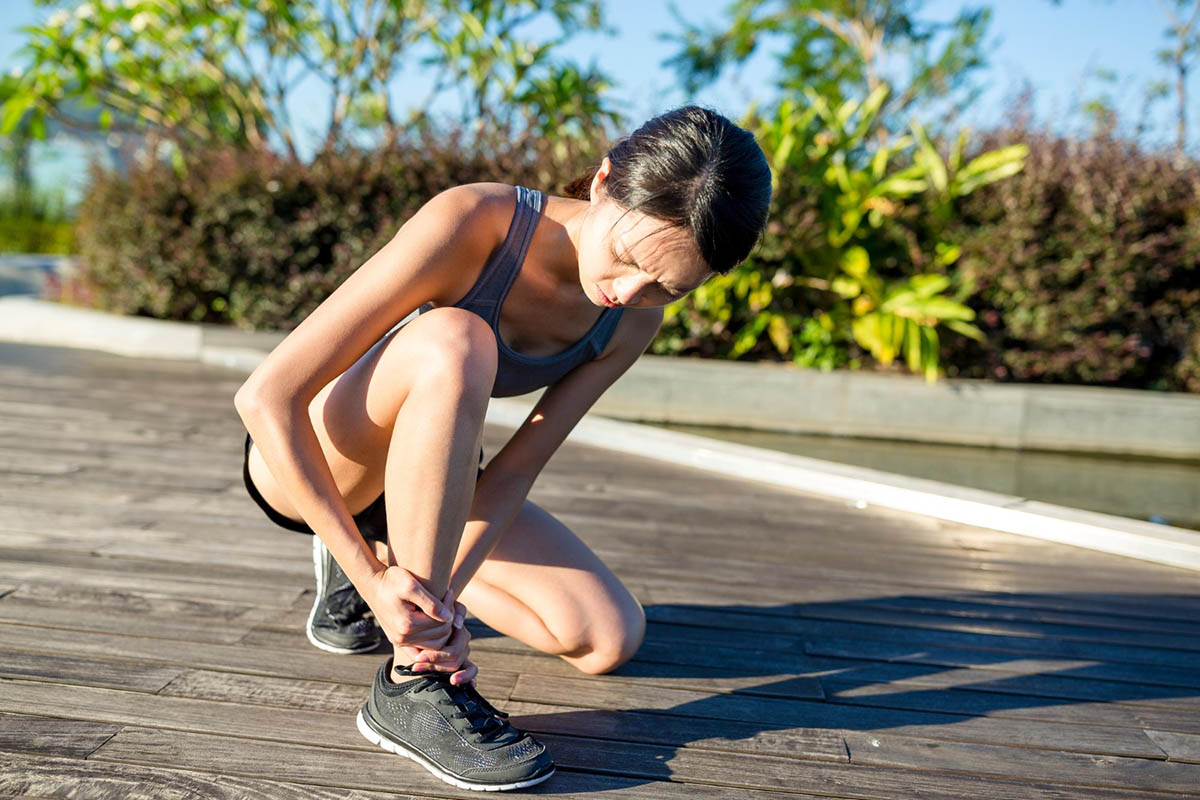
Four things cause most delays. Lost knee extension, a quad that never switches back on, repeated swelling flares, and inconsistent strength work. Almost every stalled comeback traces back to one of them.
Here is what else we see regularly.
- Skipping the pre-surgery block and arriving with a stiff, swollen knee.
- Chasing running before single-leg strength is ready.
- Training only the surgical side and letting the healthy leg fade.
- Stopping strength work the moment sport feels comfortable again.
- Ignoring hip and ankle limits that force the knee to absorb the difference.
None of these are permanent problems. They are just how a nine-month plan quietly becomes a fourteen-month one.
How Do You Train During The Long Middle Of An ACL Comeback?
The middle months, roughly four through nine, decide the outcome. They ask for consistency more than intensity. This stretch is unglamorous, and it separates a confident return from a shaky one.
Two to three focused strength sessions a week form the backbone. Add running, then jumping, then cutting as each gate opens.
A typical week in this window looks something like this.
- Two heavy lower body sessions built around squat, hinge, and single-leg patterns.
- One plyometric session progressing from double-leg to single-leg landings.
- Two or three running or conditioning sessions matched to your tolerance.
- Daily mobility and quad activation work that takes ten minutes.
- A monthly retest so you measure progress instead of assuming it.
Numbers keep you honest when motivation dips and when it spikes. They also tell you when to push harder.
Frequently Asked Questions
How Soon Can You Drive After ACL Surgery?
Most people with a right knee graft drive again between four and six weeks. Left knee grafts in an automatic car often come sooner. The real test is whether you can slam the brake pedal without hesitating. Your surgeon signs off on this one, not us.
Is It Normal For Your Knee To Still Swell At Six Months?
A little swelling after a hard session at six months is common. Swelling after every run or jump means the load is outpacing the joint. Compare your knee circumference in the morning and again after training. If it keeps returning, we scale the volume back and rebuild.
Do You Need A Brace When You Return To Sport?
Bracing is a personal decision you make with your surgeon. The research has not settled it either way. Some athletes feel steadier in a functional brace for their first season back. No brace replaces the strength and control that actually protect the knee.
How Long Does An ACL Graft Take To Fully Mature?
Graft remodeling continues well past the point where your knee feels normal. It often runs out to eighteen or twenty-four months. Feeling good at eight months does not mean the tissue has finished maturing. Keep lifting and keep testing through your first full season back.
Can You Speed Up Your ACL Recovery Timeline?
You cannot rush biology, but you can stop wasting weeks. Arrive at surgery with a quiet, straight knee and an active quad. Then never miss strength sessions once loading begins. Skipping weeks and cramming later is what stretches the timeline out.
Will You Get Back To The Same Level Of Sport?
Plenty of active adults return to the same level. Some come back stronger after fixing the movement habits behind the injury. Your odds improve when you clear testing and keep training after clearance. We would rather set a realistic target than promise a date.
Your Next Step Toward A Knee You Trust
An ACL comeback rewards structure and punishes guesswork. Know what each phase requires and the nine-to-twelve-month window becomes a plan.
What We Do On The Movement And Strength Side
We work with you one-on-one for the full session, every session. A knee this important should not share a therapist with three other people.
Your surgeon owns the surgical decisions. We own the loading, testing, and progression that fill the calendar between them.
Our approach is root cause focused. If hip mechanics or ankle mobility contributed to the tear, we address those too, so the same pattern does not repeat.
Objective Testing, Not Guesswork
We measure strength and hop performance instead of asking how the knee feels. You see your own numbers.
You know what still needs work before the next phase opens. Most athletes come in wanting a date, and what they need is a scoreboard.
Support That Fits Real Life
Maybe you are a CrossFit regular in RTP. Maybe you drive a club soccer player to Cary twice a week. Maybe you are a masters athlete who is not done competing.
The plan should fit your week, your sport, and your season. We build around those, never around a generic protocol.
Still dealing with ongoing knee pain months after clearance? That is worth a conversation, because a knee that keeps complaining is usually missing something measurable.
Start Your ACL Recovery Plan Today
Call us at 919-342-7949 or book through our contact page. We will find where your knee actually is and build the next phase around it.
Two offers make a good first step. Our Complimentary Root Cause Movement Assessment is a 30-minute one-on-one session. We look at how your knee, hip, and ankle work together.
Our Sports-Specific Injury Prevention Screening and Strategy Session maps your landing and cutting mechanics. It matches them against the real demands of your sport.
Your ACL comeback is not a waiting game. Reach us at 919-342-7949 and let us build the version that gets you back for good.
