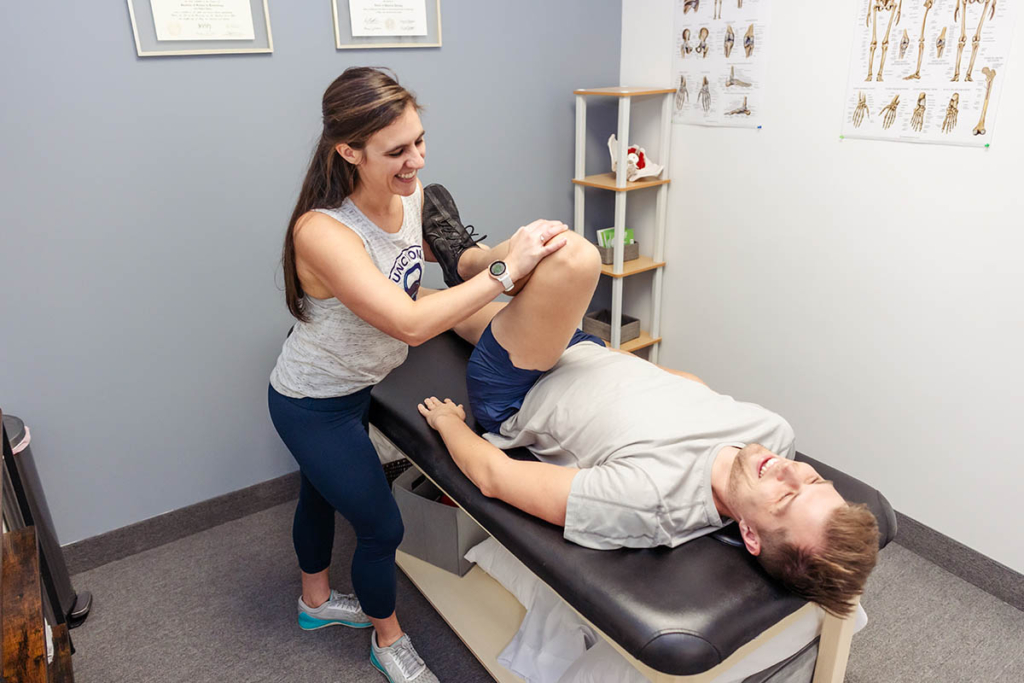
Pelvic Floor Therapy for Men: What It Helps and What to Expect
Leaking, post void dribble, pelvic pain, and prostate surgery recovery all respond to pelvic floor therapy for men. Here is what to expect at visit one.
Leaking, post void dribble, pelvic pain, and prostate surgery recovery all respond to pelvic floor therapy for men. Here is what to expect at visit one.
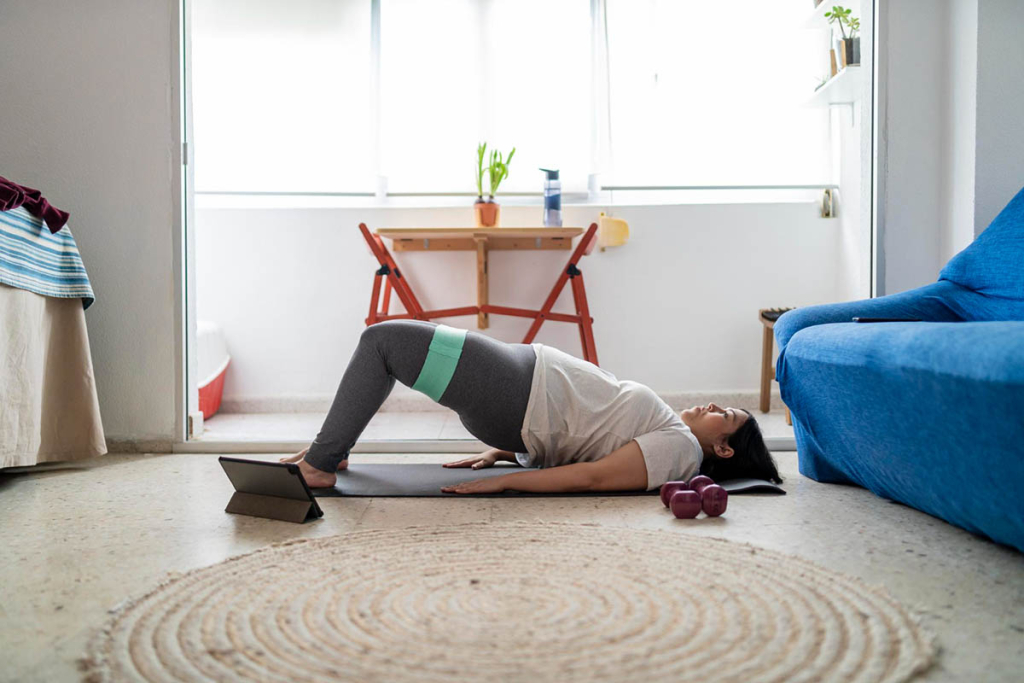
Pelvic floor dysfunction constipation is a coordination problem, not a fiber problem. Learn the signs, the posture fix, and the drills that finally help.
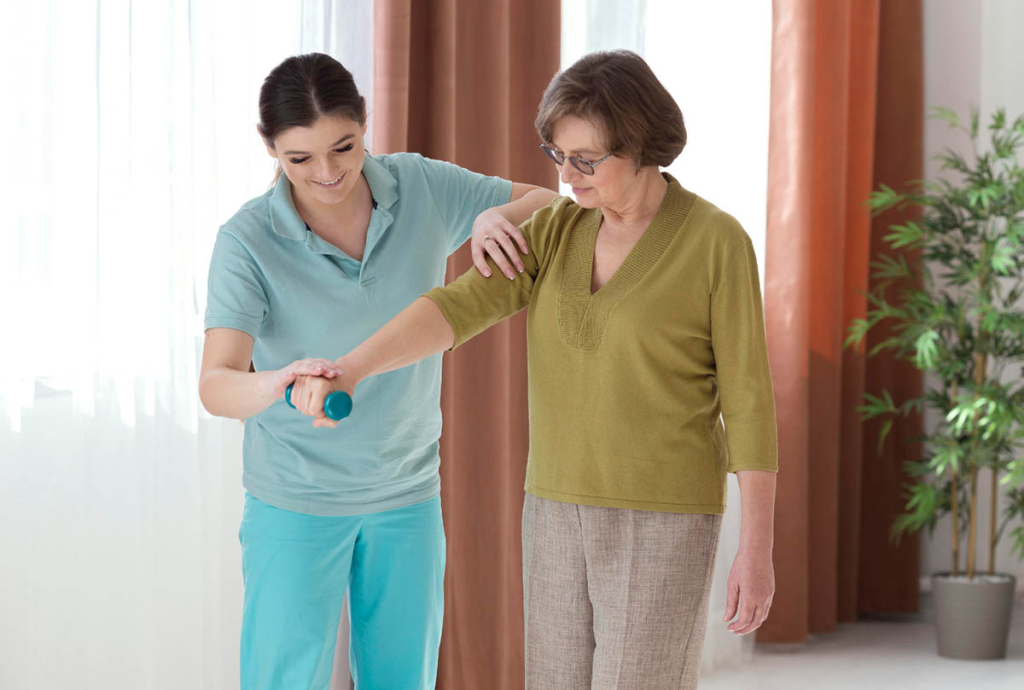
Frozen shoulder exercises work best matched to your stage. See which stretches fit freezing, frozen, and thawing, plus how often to do them safely.
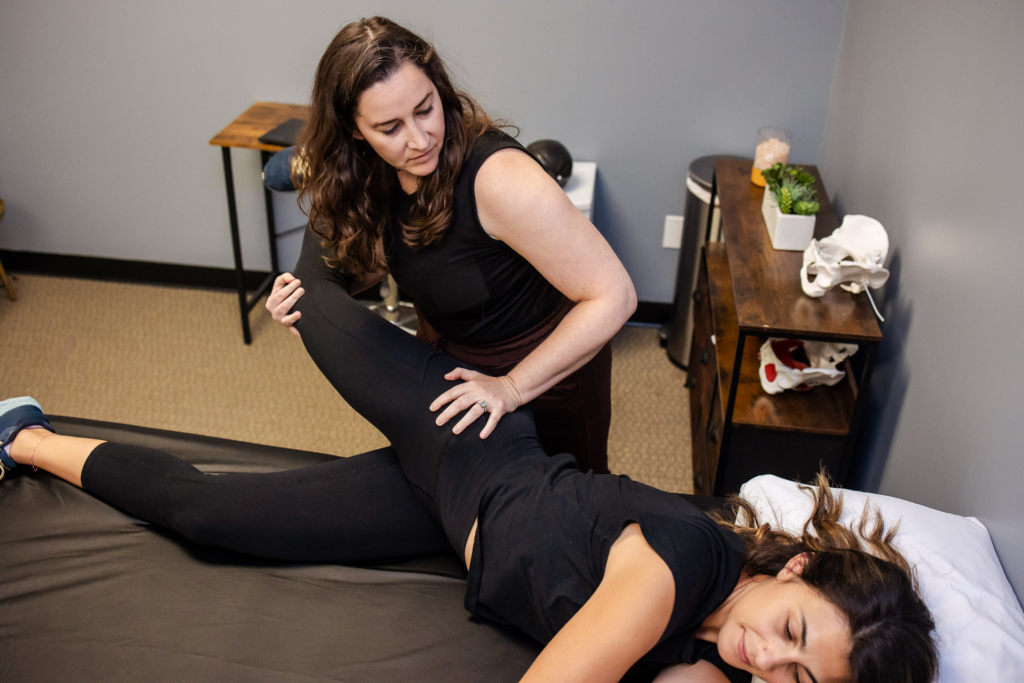
The sciatica exercises that actually help: nerve glides, hip strength, and daily walks, plus what to avoid, a recovery timeline, and when to get checked.
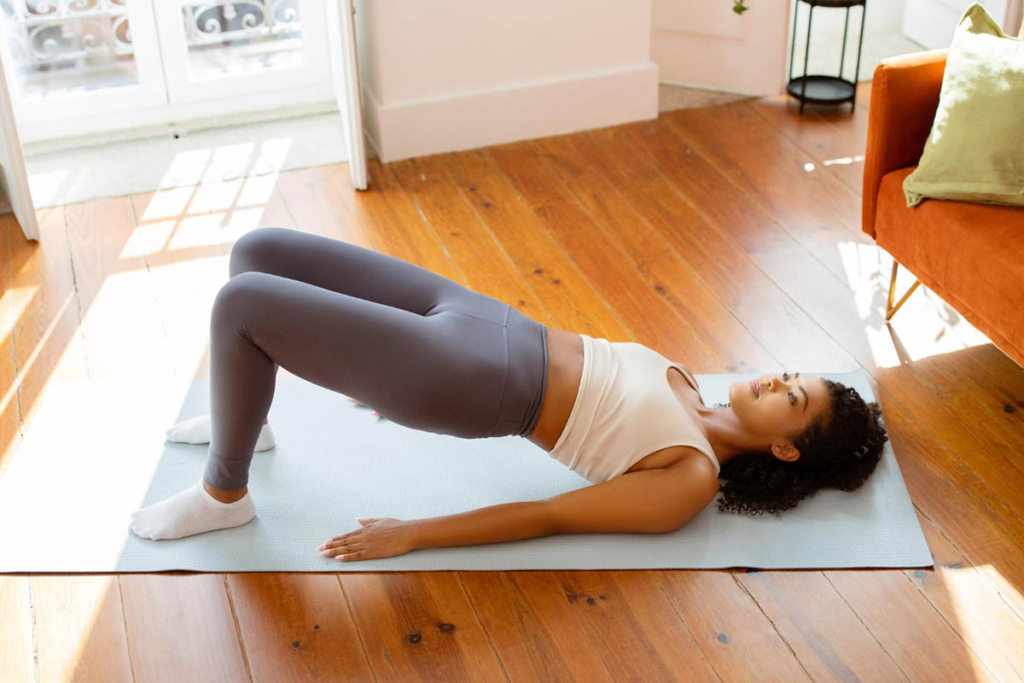
Diastasis recti exercises rebuild your deep core after pregnancy. Learn the safe moves, what to avoid, and a realistic timeline from a pelvic health PT.
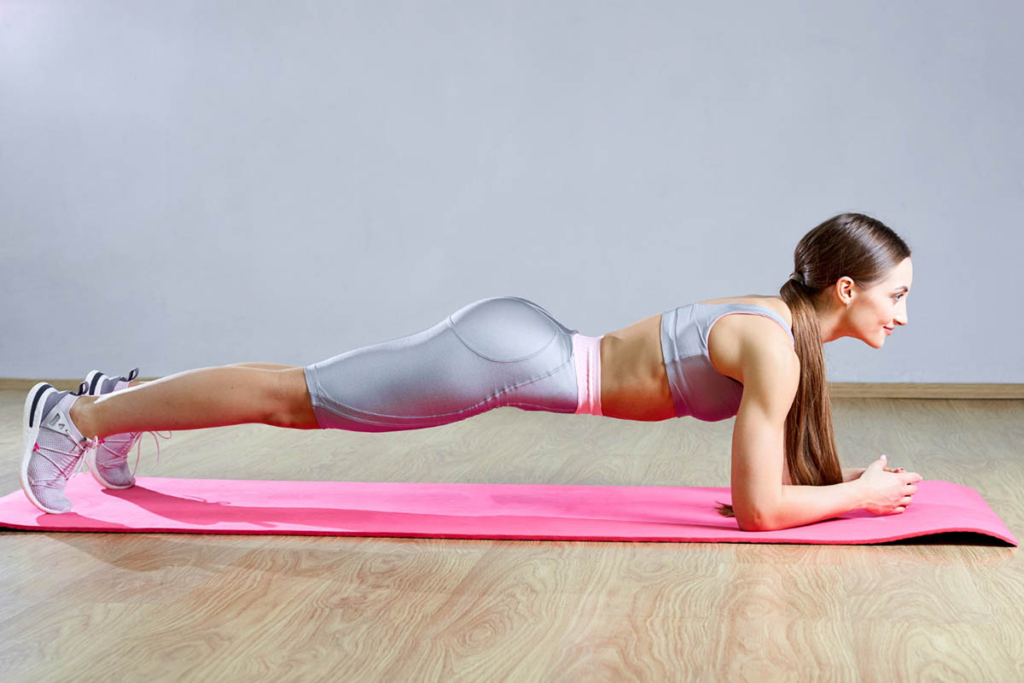
Yoga and physical therapy are powerful practices used individually to promote health and well-being. With its ancient roots, yoga combines mindful movement, breathing techniques, and meditation to improve physical and mental balance. On the other hand, physical therapy is a science-based approach focused on restoring movement and function in people affected by injury, illness, or disability. When combined, yoga and physical therapy create a synergy that amplifies the benefits of both practices. This article explores how integrating yoga and physical therapy can improve pain management, injury recovery, and overall health.
Stress incontinence, or leaking urine with exertion (think running, jumping, sneezing, lifting, coughing, laughing) is a common problem effecting many women and men. It can be a very frustrating and embarrassing issue to do deal with and often times causes those suffering from SUI to avoid certain activities they love. In this blog post we will discuss how you can overcome your leaking, without doing kegels and why kegels may not be the (only) answer.
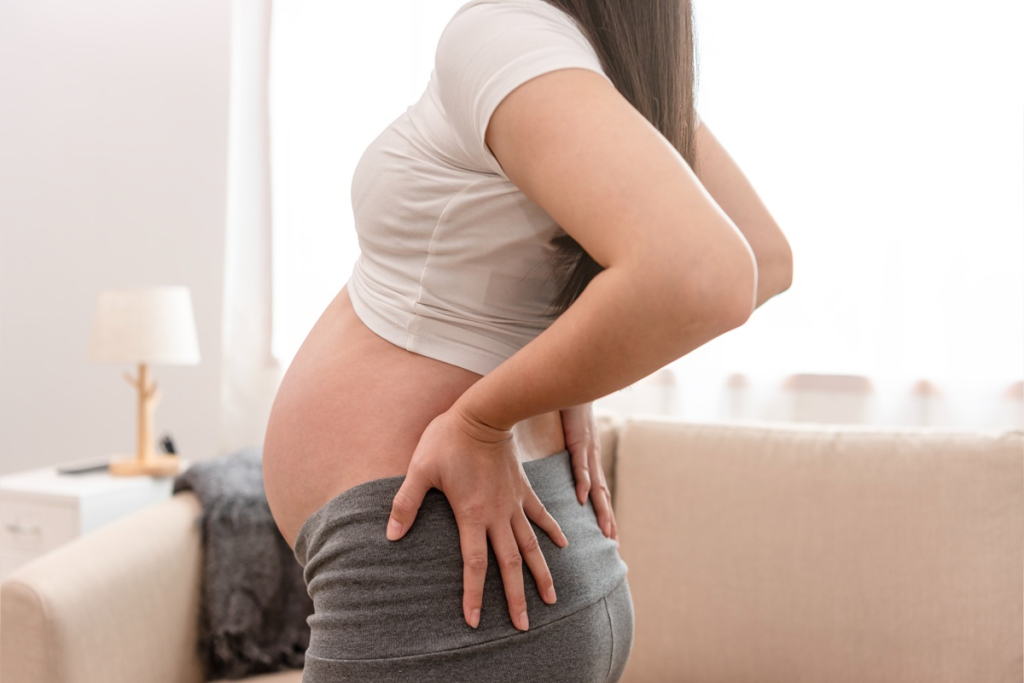
Pregnancy is an exciting time for many, but it also comes with its share of physical challenges. One of the most common complaints during pregnancy is back pain, which can range from a dull ache to sharp discomfort that interferes with daily life. If you’re pregnant and dealing with back pain, you’re not alone—studies show that more than 50% of pregnant individuals experience this symptom at some point during their pregnancy.
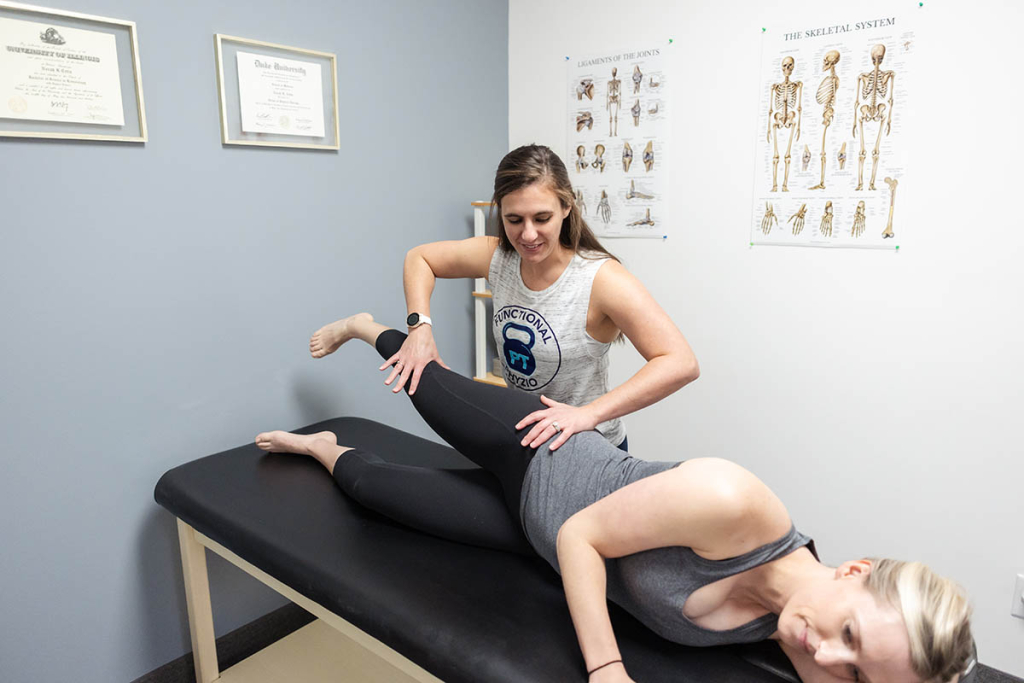
Hip bursitis can be a frustrating and limiting injury for active adults in Durham, NC who want to continue running, lifting weights and being active. Common symptoms include pain in the outside of the hip with activity or with laying on that side. Pain may be sharp with certain movements or a constant dull ache throughout the day. The joint may also feel stiff and movements like squatting down or sitting cross legged can become uncomfortable. While bursitis can be painful and limiting the good news is that physical therapy is an effective treatment and invasive procedures and surgery are usually not needed, especially when treated early on. In this blog, we’ll outline what hip bursitis is, at home treatments and how physical therapy can help you.

Menopause marks a significant phase in a woman’s life, bringing about a range of physical and hormonal changes. Among these shifts, many women experience challenges with their pelvic floor, a crucial group of muscles that support the bladder, bowel, and uterus. These issues can include incontinence, pelvic organ prolapse, and discomfort during daily activities. One often-overlooked strategy to combat these challenges is strength training.